Why electricity prices can rise when renewable generation is strong
What an August price spike shows about wholesale electricity prices, and why generation mix alone does not explain the final price.
Ask how an energy community could help your area manage energy-price uncertainty
The August data above points to a more useful question than whether a visible event, such as an eclipse, explains electricity prices: what determines the wholesale price when generation comes from several sources at once?
The answer is not simply the share of each fuel in the monthly generation mix. In the EU wholesale market, electricity is priced through marginal, or pay-as-clear, pricing: generators submit offers and, once demand is met, the accepted generators receive the price of the last generator needed to meet that demand.1
That mechanism matters because a fuel can be a small part of total generation over a month yet still be required in particular intervals. It does not mean that a monthly gas share alone proves gas set the price in every hour.
A visible event is not necessarily the price driver
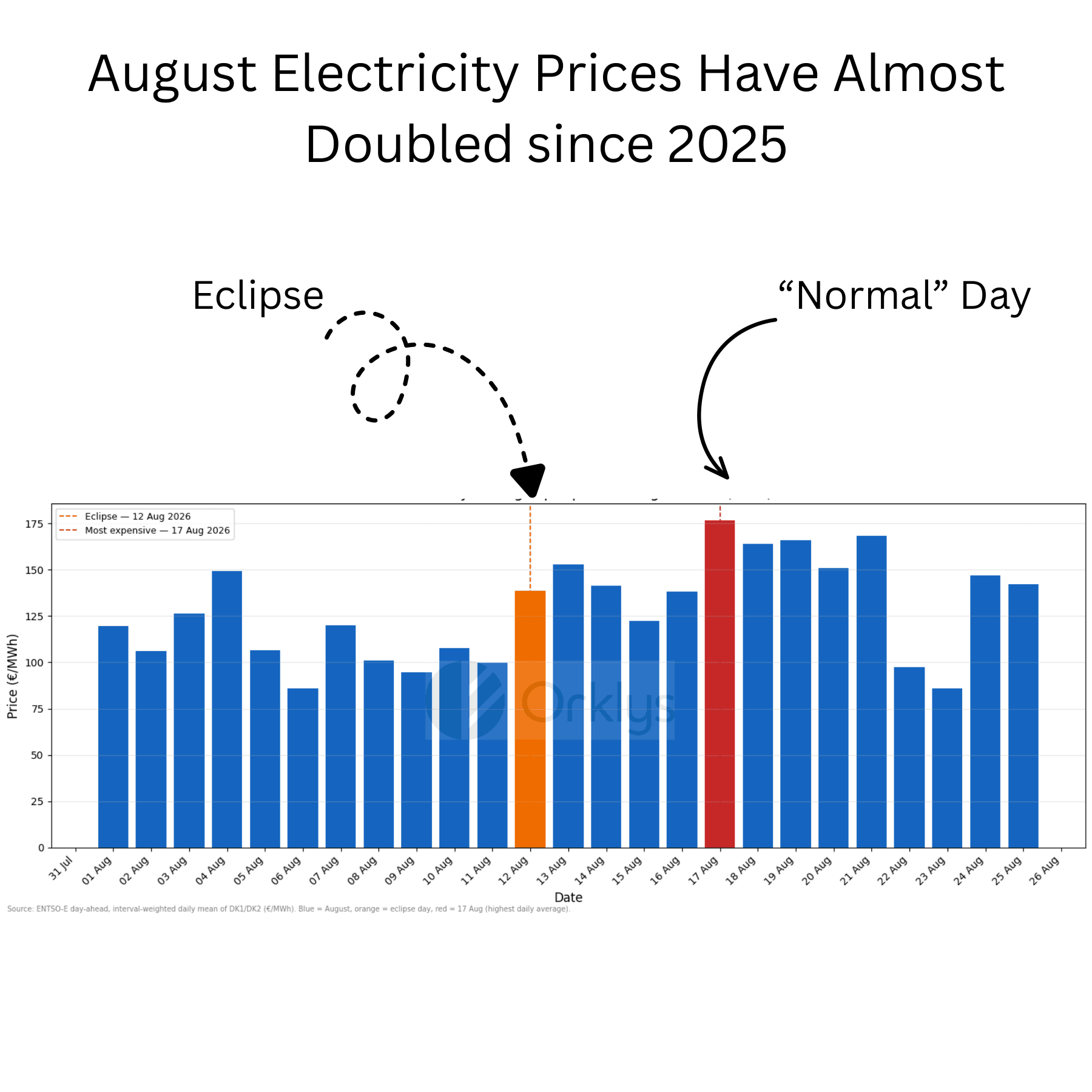
Figure 1 shows a higher weighted daily price on 17 August than on the eclipse date, 12 August. The eclipse itself doesn’t explain that August 2026 electricity prices are almost double 2025.
The chart shows the average DK1/DK2 spot price.
Why the mix is only part of the explanation
Denmark is 73% renewable, while Germany produces 10 times more electricity but is more dependent on gas and coal than Denmark, with almost a third of German electricity generation coming from these sources in August (Figure 2, below).
Gas can have an outsized effect on the price even when its share of total generation is small. In a pay-as-clear day-ahead market, the last bid needed to meet demand sets the price structure for the accepted electricity. At peak times, an expensive gas-fired bid can therefore set the price for electricity across the market.1
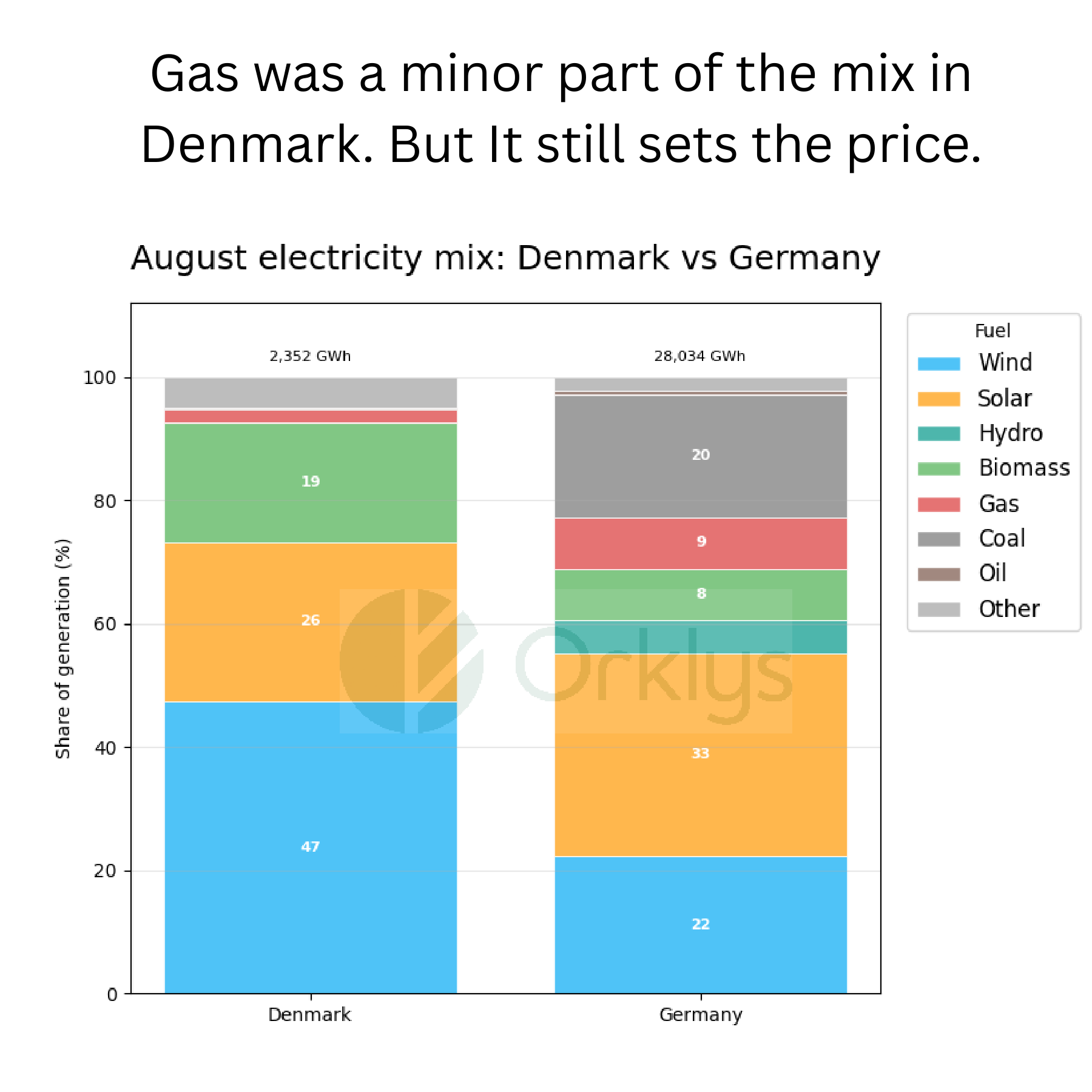
Figure 2: Orklys Analysis of the August Generation Mix in Denmark and Germany.
2026 is the most expensive summer for electricity of the last three years
Figure 3 shows the Danish electricity price for the last three years. All three months of summer were above €100/MWh, with August the most expensive.
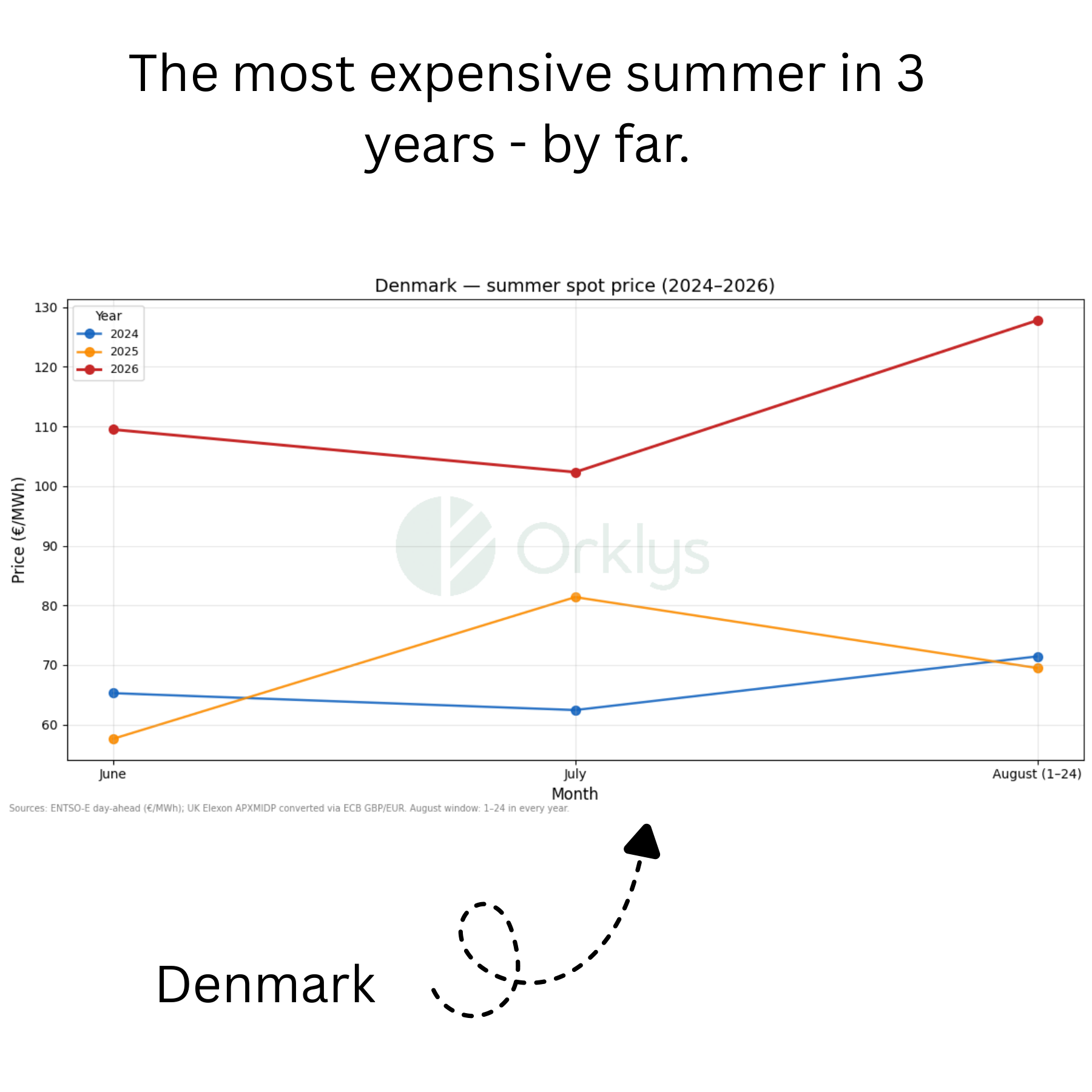
Figure 3: Orklys Day-Ahead Analysis.
Community-owned energy can keep more value local
The only way to stop fossil fuels dictating the price is to remove them from the energy mix completely.
Community-owned energy is one way to give local people and businesses more agency over how energy is generated, shared and priced. The community can fix its own pricing for the energy it produces, which removes volatility and inflation from that part of its consumption.